
CHARITY
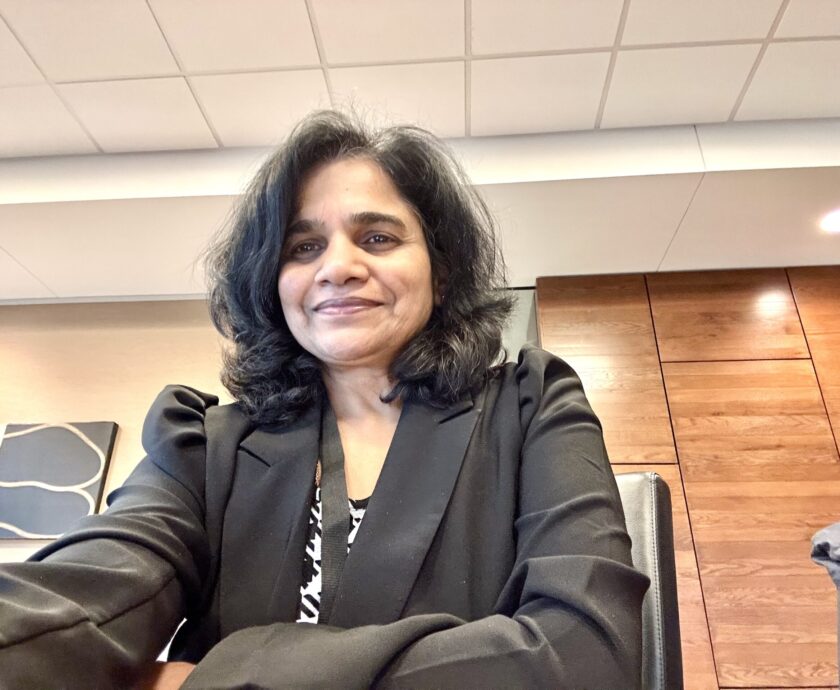
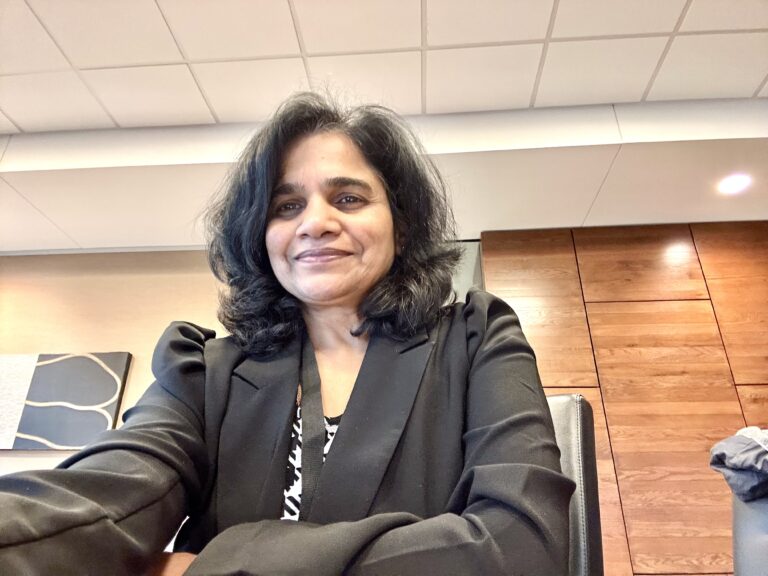
INTERESTING STORIES ON GENDER DISCRIMINATION FROM NITYA GANAPATHY
Story 1: The Girl Who Was Given
Buttermilk
When Nitya was a child, her mother often told her stories about growing up in a large ancestral home.
At lunchtime, all the children would sit together to eat.
But there was a difference. The boys were served thick, rich yoghurt.
The girls were given thin buttermilk. No one questioned it.
It was simply “the way things were.” Her mother was a brilliant student who dreamed of college. But at 16, her books were taken away, and she was married off.
Years later, Nitya noticed the same pattern in her own home. Her brothers’ needs came first. She learned early that if she wanted equal treatment, she had to ask for it. Sometimes, she had to fight for it.
But she also made a silent promise: Her life would not be limited by traditions that underestimated her. She worked hard, built a successful career, and eventually began supporting the education of underprivileged girls.
Because she knew something deeply: Every girl deserves more than buttermilk when she is capable of so much more.
Story 2: The Daughter Who Had No Role
In January 2024, Nitya returned to her childhood home. Her mother had passed away. As she stood there, grieving, she watched the rituals being performed. Her brothers led every ceremony. Relatives gathered around them. Priests guided them. But no one called her. Because she was a daughter. She had no role.
She felt invisible.
Not because she was unloved—but because tradition had decided her place long ago. That day, she did not argue. She did something more powerful.
She decided to honour her parents in her own way. She began sponsoring education and food for underprivileged girls.
If she was not given a place in rituals, she would create her place in changing lives.
Story 3: The Woman Who Had to Prove
Herself Twice
When Nitya began her career in technology in the 1990s, she was one of the few women in the field. Later, when she moved to the United States, the challenges became harder. She worked longer. Performed better. Delivered more.
Yet, when promotions came, she was passed over. Again. And again.
She was often the most qualified person in the room. But she had to prove herself more than anyone else. Not because she lacked ability. But because she was a woman. And a minority.
Many would have given up. She didn’t. She persisted. She succeeded.
And today, she works to ensure young girls never have to fight the same battles alone. Because she believes: Equality will not come by waiting. It will come by empowering the next generation.
The Ceiling Fan
The first ceiling fan in the house was a wonder.
It was the early 1930s, in a large ancestral home in the backwaters of Kerala. For the family, it was a symbol of progress and modern life.
But for one grandmother, it was a source of fear. She worried constantly.
“What if it falls?”
Every afternoon, after lunch, all the children—boys and girls—would lie down on the cool floor beneath the fan for their nap.
Before leaving the room, the grandmother would carefully look around.
She would gently wake the boys sleeping directly under the fan.
“Move away,” she would say. “It’s not safe here.”
She would make sure every boy was protected. Then she would leave.
The girls remained where they were.
No one asked them to move. No one worried if the fan might fall on them.
Years later, this story was told to a young girl named Nitya Ganapathy by her mother, who had been one of those little girls. It wasn’t the fan that stayed in her memory. It was the message.
Even as children, the boys were seen as more valuable. More deserving of protection. More important to the family’s future.
The girls grew up learning something without anyone saying it aloud:
Their safety mattered less.
That quiet afternoon, under a slowly turning ceiling fan, was not just a childhood memory. It was a reflection of a society that placed different values on its children.
But that little girl who heard the story grew up determined to change it. Because she believed something simple and powerful: Every child deserves equal care. Every dream deserves an equal chance.