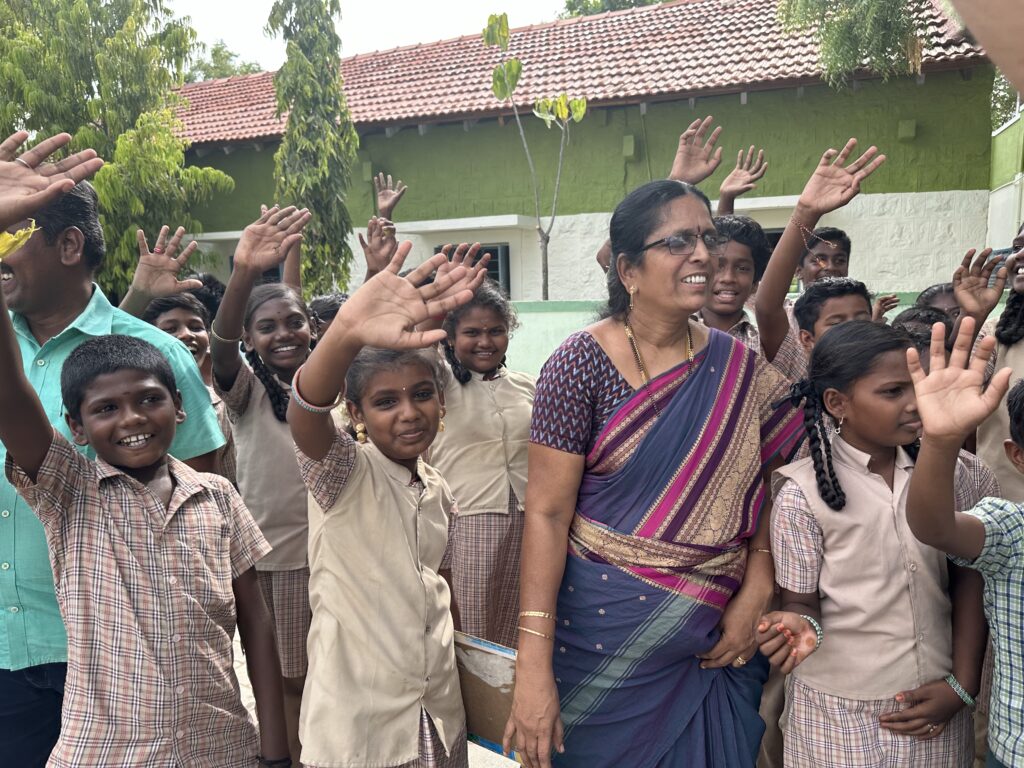

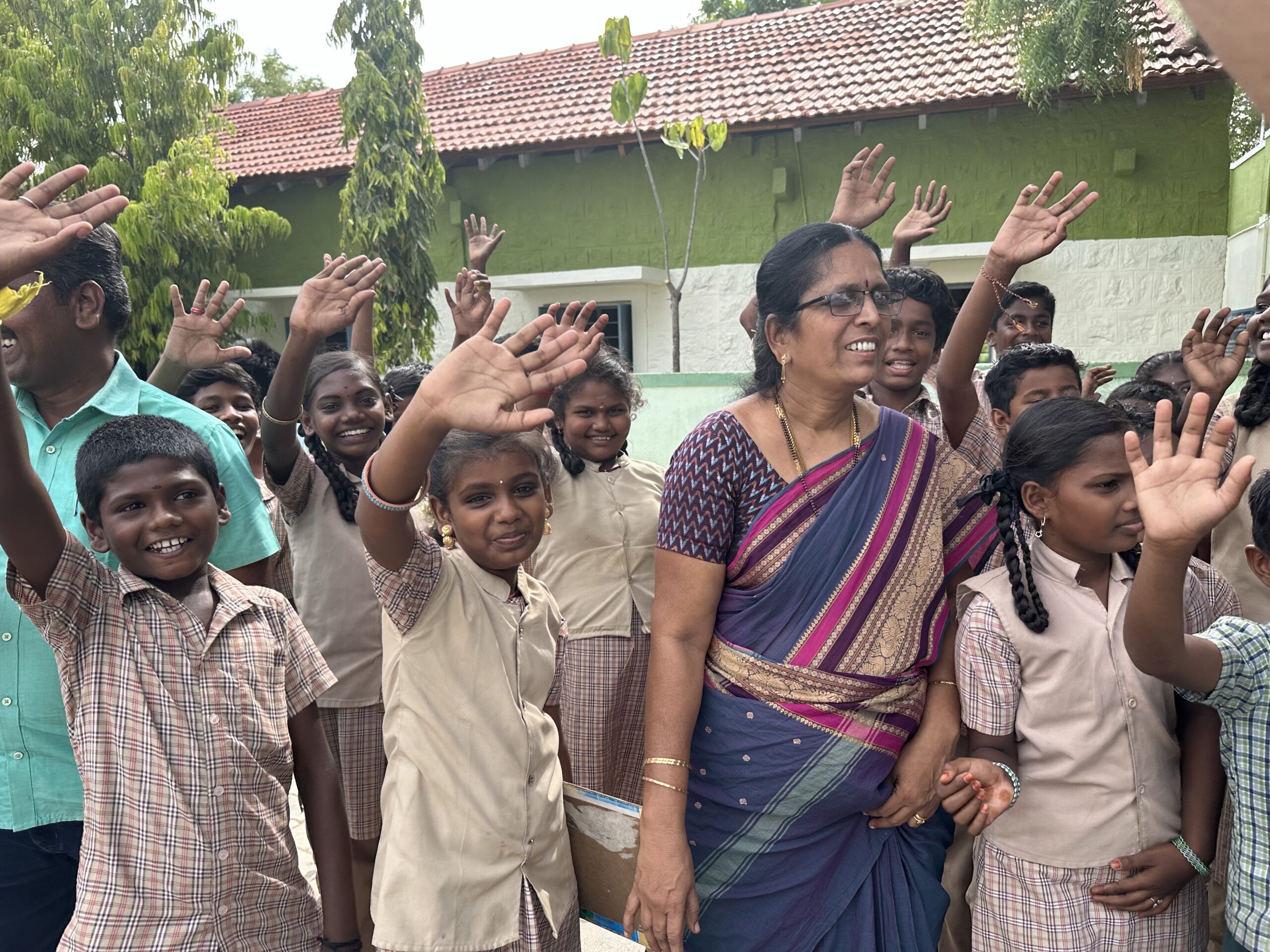
Girls’ Education and Women’s Empowerment in India: Challenges, Progress, and the Way Forward
Introduction: Why Girls’ Education is Critical for India’s Future ?
Girls’ education in India is not just a social issue—it is a national development priority. Educating girls improves economic productivity, enhances family health, reduces poverty, and creates empowered communities. However, despite progress, millions of girls in India still face barriers to accessing quality education.
(This is a study by the Vidyashakti team, with insights from economist Nitin Krishnan, that highlights the persistent educational disparities affecting girls and the urgent need for sustained action).
Female Literacy Rate and Educational Status in India after COVID -19
India has made steady progress in improving female literacy. However, the female literacy rate remains significantly lower than that of male literacy.
Key challenges include:
High dropout rates among adolescent girls
Limited access to quality secondary education
Economic constraints among low-income families
Gender discrimination and social norms
Many girls, especially from economically weaker sections, are forced to discontinue education due to financial hardship or household responsibilities.
The COVID-19 pandemic created one of the biggest disruptions in education globally, and girls were among the worst affected. Major impacts included:
Millions of girls dropping out of school permanently
Lack of access to digital learning due to the gender digital divide
Increased child marriage rates
Reduced family investment in girls’ education
This setback reversed years of progress and highlighted the vulnerability of girls’ education during crises.
Social Barriers: Child Marriage, Poverty, and Gender
Norms
Social and cultural factors remain major obstacles to female education in India.
These include:
Child Marriage: Early marriage often ends a girl’s education permanently
Poverty: Families prioritise boys’ education over girls
Menstrual Hygiene Challenges: Lack of proper sanitation facilities leads to
absenteeism and dropout
Domestic Responsibilities: Girls are often expected to manage household duties
When girls are denied education, it creates a cycle of poverty that continues for generations.
Importance of Education for Women’s Empowerment
Education is the foundation of women’s empowerment.
Educated women are more likely to:
Become financially independent
Make informed life decisions
Support their children’s education
Avoid early marriage
Escape domestic violence
Education strengthens not just individuals, but entire communities and economies.
Social Barriers: Child Marriage, Poverty, and Gender
Norms
Social and cultural factors remain major obstacles to female education in India.
These include:
Child Marriage: Early marriage often ends a girl’s education permanently
Poverty: Families prioritise boys’ education over girls
Menstrual Hygiene Challenges: Lack of proper sanitation facilities leads to
absenteeism and dropout
Domestic Responsibilities: Girls are often expected to manage household duties
When girls are denied education, it creates a cycle of poverty that continues for generations.
Importance of Education for Women’s Empowerment
Education is the foundation of women’s empowerment.
Educated women are more likely to:
Become financially independent
Make informed life decisions
Support their children’s education
Avoid early marriage
Escape domestic violence
Education strengthens not just individuals, but entire communities and economies.
The Role of Quality Education
Research shows that improving the quality of education leads to:
Higher enrollment
Lower dropout rates
Better learning outcomes
Access alone is not enough—girls must receive quality education that builds skills and confidence.
Breaking the Cycle: The Way Forward
To improve girls’ education in India, key actions include:
Increasing awareness among families
Improving school infrastructure and sanitation
Preventing child marriage
Supporting girls financially
Promoting gender equality in education
Investing in girls’ education is one of the most powerful ways to build a stronger and more equitable nation.
Conclusion: Educate a Girl, Empower a Nation
Educating girls is not just about equality—it is about progress.
When girls are educated:
Families become healthier
Economies become stronger
Societies become more equal
Organizations like Vidyashakti continue to play a vital role in supporting girls’ education and empowering young women to become confident leaders of tomorrow. Join us Today!!!